By Bret Lauthen
August 1, 2026
The integration of smart technology in residential spaces has transformed modern living. As technology continuously evolves, it has permeated nearly every aspect of our homes, moving beyond simple appliances to fully integrated climate control solutions. Outdoor shaded structures like awnings have been at the forefront of this shift, blending historical utility with cutting-edge technology for improved living standards.
By combining physical protection from the elements with digital controls, smart shades offer an unprecedented level of convenience for modern homeowners. Modern shade solutions use automated sensors to detect environmental changes, ensuring optimal light management throughout the day. Homeowners no longer need to manually adjust their outdoor coverings to protect their interiors from harsh solar heat. As energy costs continue to rise, integrating intelligent shading systems into standard home automation platforms provides a practical path toward long-term utility savings.
Understanding the Historical Evolution of Shading Systems
Shading structures have a rich history dating back to ancient civilizations, where they were first used to provide shelter and comfort in bustling marketplaces and residential courtyards. As these structures evolved, they began to feature more sophisticated designs and woven materials. Over time, the functionality of these shading solutions extended from simple sun shields to integral architectural elements, demonstrating both aesthetic appeal and practicality. Modern innovations have transformed these traditional features into smart solutions that are fully integrated into the fabric of contemporary homes.
The use of awnings progressed significantly during the nineteenth century, allowing protective coverings to become retractable and much more durable. As consumer awareness around energy efficiency grew in the twentieth century, innovative minds began experimenting with motorized and automated mechanisms. These advancements paved the way for today's dynamic systems, offering a blend of aesthetic appeal, practicality, and technology-backed energy efficiency. Consequently, traditional shade structures have grown into modern symbols of automated living.
Examining the Mechanics of Smart Window Coverings
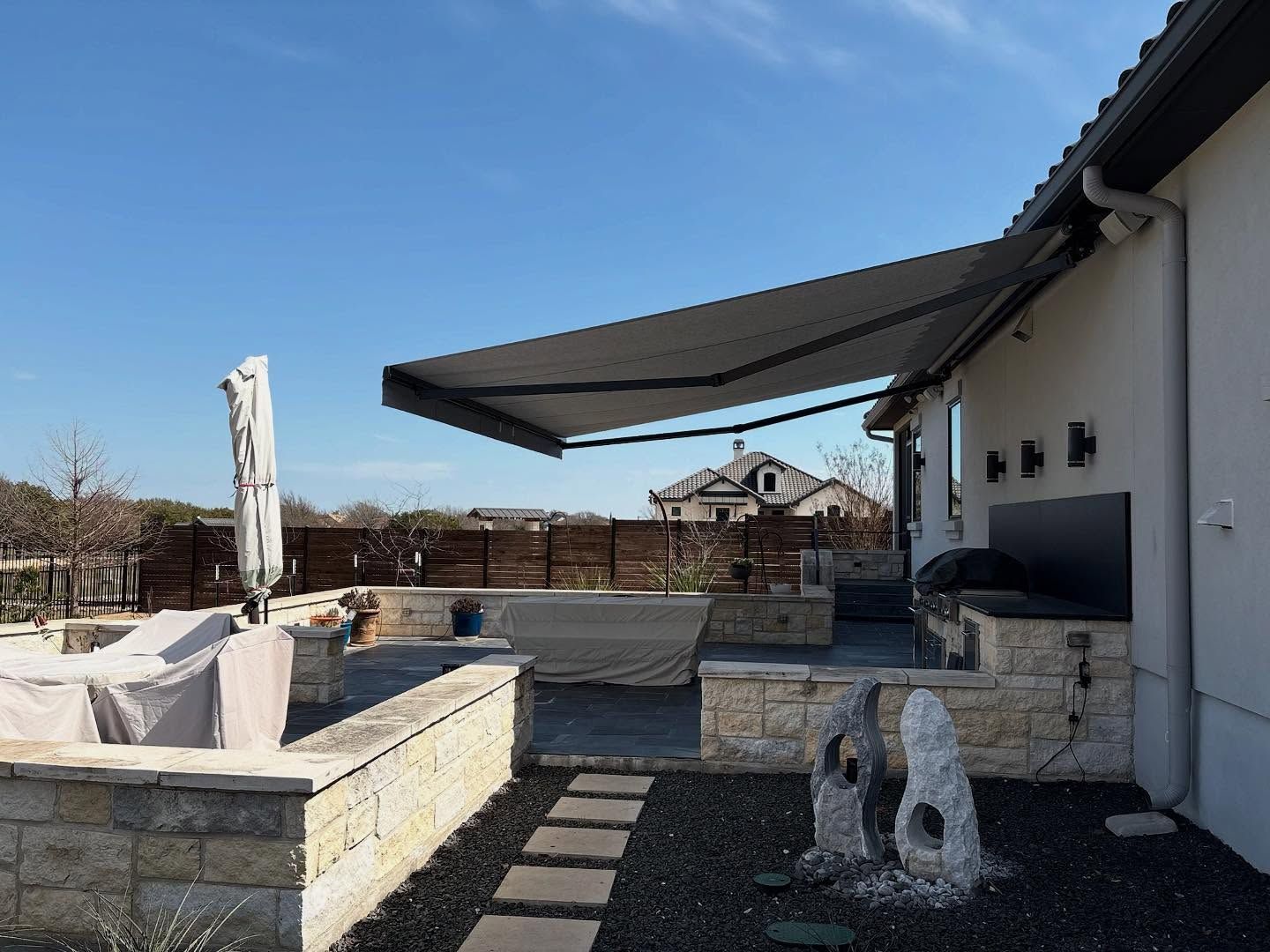
Smart shade mechanisms represent a peak in the evolution of residential exterior technology, boasting fully automated open-close capabilities. By utilizing integrated sensor technology and smart home networks, these systems optimize their position based on real-time weather conditions. This capability ensures they offer optimal coverage, reducing the need for manual operation while enhancing daily convenience. The intelligence of these systems lies in their ability to respond to various environmental stimuli, such as wind speed and sunlight intensity, thereby contributing directly to overall home automation.
The mechanical structure of automated shade systems focuses on precision engineering and long-term reliability. High-quality motors manage the extension and retraction processes, allowing homeowners to dictate the exact amount of shade and sunlight desired inside the living space. These systems often collaborate with broader IoT networks to synchronize climate control efforts across the entire household. Efficient motor design minimizes electrical usage while allowing for effortless control through smartphone applications or voice-activated home assistants.
Integrating IoT Technology for Maximum Efficiency
The Internet of Things has become integral to the residential automation industry, revolutionizing traditional window shades alongside other smart devices. By enabling mechanical structures to communicate and execute programmed instructions autonomously, IoT transforms static features into intelligent, responsive systems. This communication capability ensures exterior shades react to real-time environmental changes, such as altering their positions automatically during sudden temperature fluctuations. As a result, homes equipped with automated systems experience better internal climate control and improved overall functionality.
The operational capacity of smart shades connected to IoT networks extends beyond simple convenience to impact energy conservation significantly. Automated systems can optimize solar gain, providing natural warmth during winter while shading interiors in summer to lower cooling costs. According to the Oak Ridge National Laboratory, awnings left in the closed position from April to September can reduce annual HVAC energy consumption by 15% compared with a building without any shades. This demonstrates the potential impact of smart awnings on energy savings, reducing reliance on heating and cooling systems. Furthermore, cloud-based programming allows users to sync their settings with real-time seasonal forecasts effortlessly. These integrated network benefits make connected shading systems an indispensable component of modern green housing developments.
Optimizing Solar Gain Throughout the Year
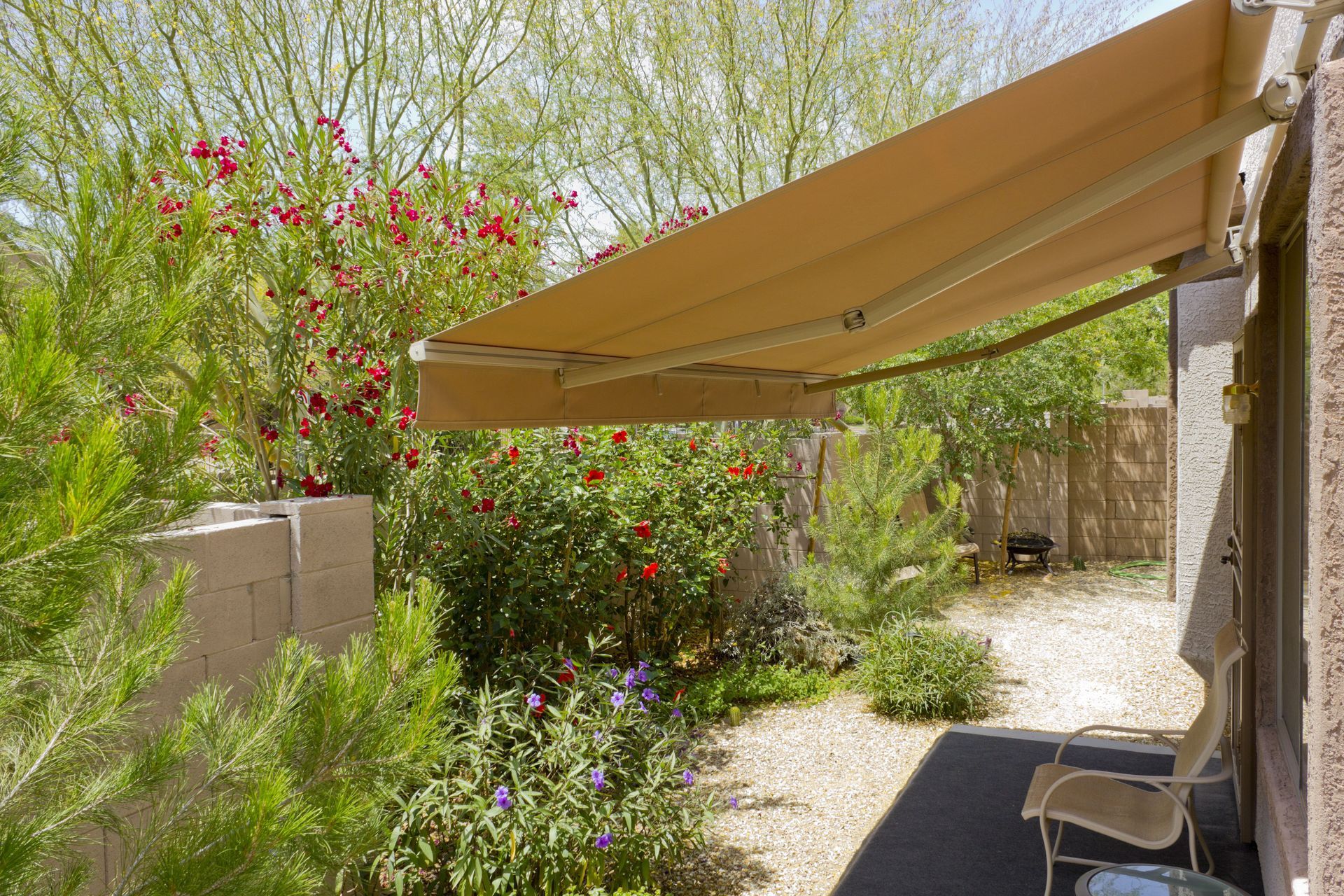
Harnessing solar gain is a critical aspect of maintaining energy efficiency in residential properties, and intelligent exterior shades offer a sophisticated approach to managing this balance. These systems can be programmed to modulate their positioning, optimizing exposure according to seasonal variations and daylight intensity. During colder months, exterior shades can fully retract, permitting more sunlight to penetrate window glass and provide natural heat. Conversely, in the summer, they extend to block excessive solar heat and glare, keeping interior spaces comfortable without excessive reliance on utility power.
Automated systems achieve solar optimization by utilizing built-in light sensors and linking directly to online weather forecasts. By leveraging real-time data, these shading solutions adjust their positioning dynamically to maximize power savings without requiring manual intervention. Furthermore, innovative fabric materials contribute to selective light transmission, balancing interior illumination needs with thermal regulation. With such capabilities, smart shading turns solar management into an intuitive, hands-free process that supports eco-friendly living year-round. Modern daylighting strategies depend heavily on this precision balance to maintain uniform indoor light without thermal spikes. Over time, reducing thermal variance helps regulate indoor humidity levels for a consistently healthier domestic atmosphere.
Elevating Home Aesthetics and Curb Appeal
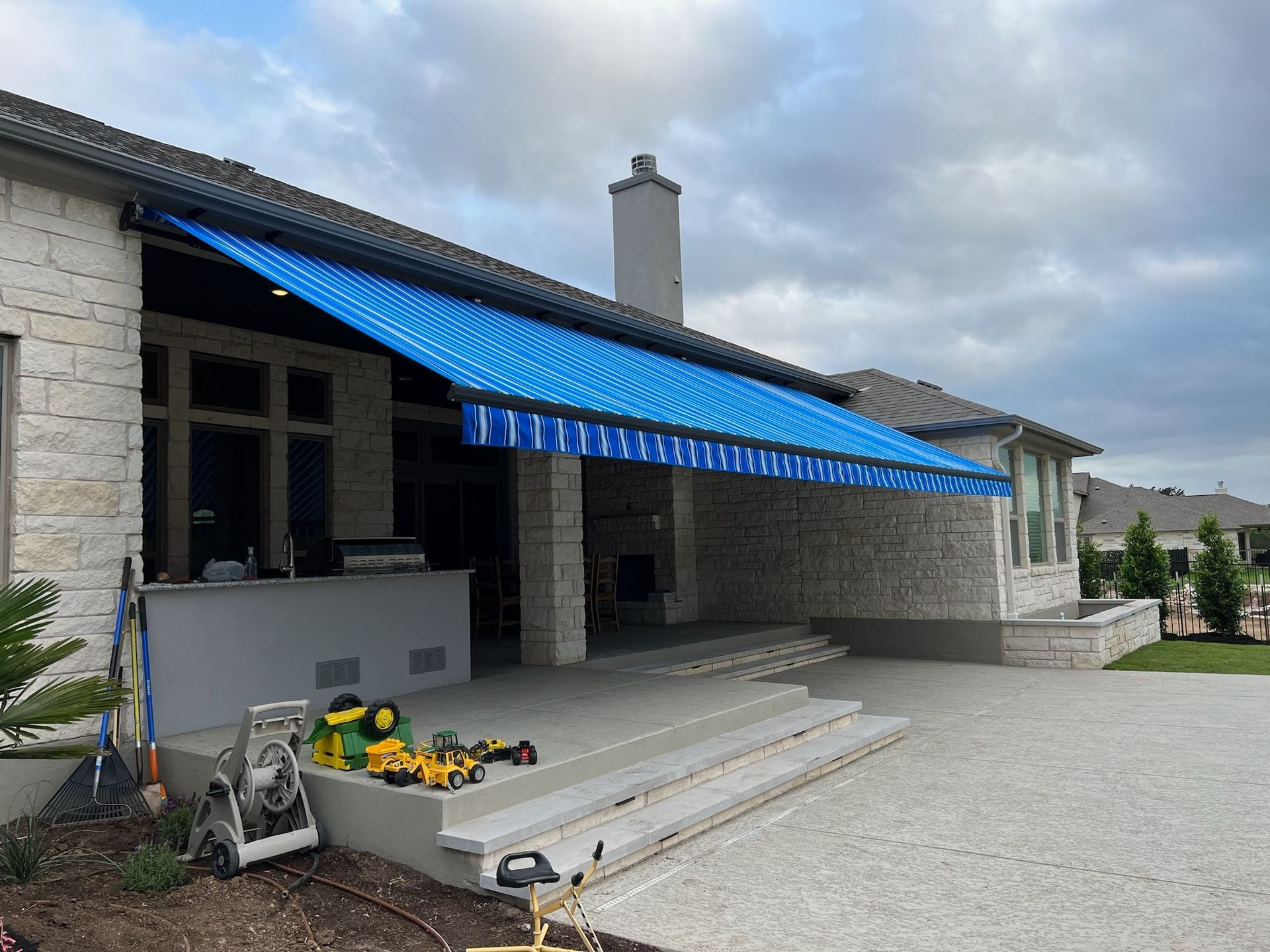
Smart shading solutions have revolutionized residential exterior design with an extensive selection of customizable features. Homeowners can choose from a vast array of colors, patterns, and durable textiles to match or complement their existing architectural aesthetics. This customization enhances visual appeal and provides uniformity in style, allowing the protective structure to blend seamlessly with the building facade. Moreover, motorized options ensure that aesthetic considerations never require a compromise on functional convenience.
The addition of automated exterior shades can significantly increase a property's curb appeal, contributing to higher market value and overall desirability. By adding dimension, texture, and visual interest to an exterior wall, these systems transform plain building facades into dynamic architectural highlights. As interest in automated home technology continues to grow among prospective buyers, installing modern shade features serves as a clear indicator of a well-maintained, energy-conscious property. These visual and functional upgrades allow homeowners to enjoy immediate comfort improvements while making a lasting investment in their real estate. Custom color palettes can be matched precisely to siding or trim details for an impeccably polished presentation. Premium mechanical hardware remains hidden when retracted, preserving clean exterior lines without cluttering the architectural facade.
The integration of automated exterior shades into residential architecture represents a significant step forward in the movement toward fully energy-efficient living. By combining historical shading principles with modern digital technology, these systems allow homeowners to reduce their reliance on mechanical heating and cooling systems while enhancing interior comfort. From optimizing solar heat gain to protecting interiors from harmful UV radiation, smart shading solutions offer a comprehensive approach to home management. The measurable reduction in utility consumption highlights the long-term economic and environmental value of upgrading traditional window coverings to intelligent, automated alternatives.
Investing in high-quality exterior shading systems is one of the most effective choices a property owner can make to improve both sustainability and architectural style. Whether your goal is to lower monthly energy bills, integrate your exterior features with an existing smart home ecosystem, or simply enhance your outdoor living area, modern shading products deliver proven results. Incorporating durable
awnings into your home design ensures lasting protection against changing weather patterns while maximizing indoor comfort. To explore premium shading options and upgrade your residential space today, contact Legacy Awning & Shade to schedule a consultation with our exterior design specialists. Seamless automation combined with sustainable architecture creates a truly modern residence built for long-term comfort. Taking proactive steps today will elevate your property value while securing significant energy savings for years to come.